

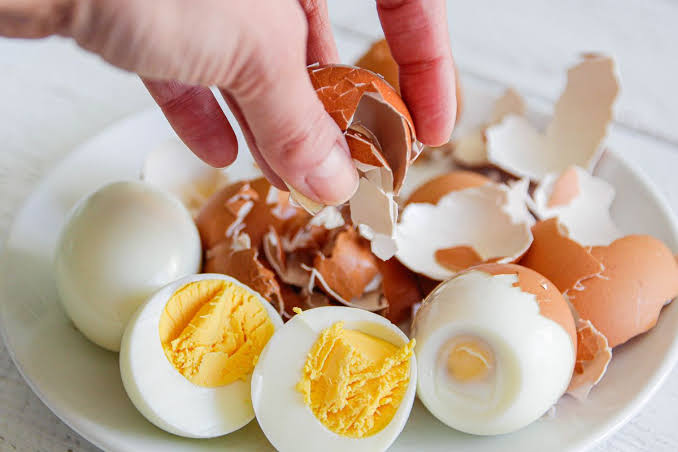
Peeling a boiled egg sounds simple, right? But anyone who has attempted knows that there is an element of chance involved. Some eggs come out just right after being peeled away from their shell, while others turn out a complete disaster, with the texture of something that has gone through a food processor. Why? Because everything comes down to what eggs you use and how you cook them.
Don’t Just Grab the Freshest Eggs
Super fresh eggs are actually a pain to peel. Give them a few days, and the chemistry shifts just enough that the shell parts ways with the white without a fight. So the eggs that have been hanging out in your fridge are usually better for boiling than the ones you grabbed this morning. If you’re buying from an egg delivery app, pay attention to batch info — that way, you know what you’re getting and can plan ahead.
Start Cold
Take the eggs out of the refrigerator. Put them into a pot carefully, making sure they are surrounded by water. But don’t fill the pot to the top; leave some room! Bring the water up to a real boil. But once it’s bubbling, turn the heat down enough to keep things steady — you’re not making egg volcanoes.
Stop Cooking Fast
Cook the eggs in boiling water for 9 to 11 minutes before placing them into cold water for at least 5 minutes. Why should you do so? Well, first of all, this is going to prevent overcooking, and second, it will make the eggs very easy to work with. Try peeling a hot egg and you’ll only do it once.
Crack, Roll, and Peel
Tap the egg all over on the counter and roll it so the shell gets covered in small cracks. Start peeling at the wide end — there’s usually a little air pocket that helps you get under the membrane. Use your fingers, not your nails and if it sticks, then peel the egg with a gentle flow of water running over it. The water slips under the membrane and does half the work for you.
Store Them Right
If you’re not using your eggs right away, keep the carton in the fridge. Ordering online regularly? Toss a carton into your weekly online grocery order so you don’t run low — but don’t stockpile more than you’ll use. Once you’ve boiled your eggs, cool them down, pop them in a covered container, and stick them back in the fridge. Do not peel those you do not intend to eat, and thus they remain fresh for several days to come.
Why Smooth Eggs Matter
Sure, a spotless boiled egg looks good, but it also makes your life easier. Clean whites are perfect for salads or curries, and you won’t find yourself picking out pieces of shell forever.
So next time you’re scrolling through an egg delivery app, spend some time making sure you know which batch you’re buying. Just keep them chilled, cook them gently, and chill them rapidly, and before you know it, your shells will be flawless. In no time at all, hard-boiled eggs will not look quite so frightening anymore.