

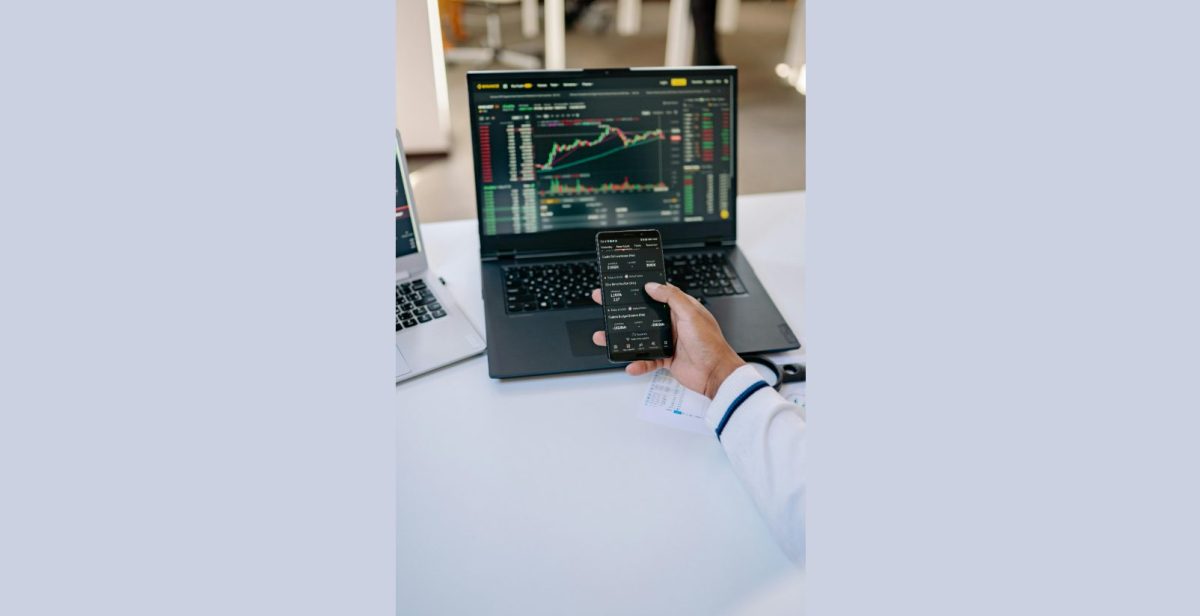
The rapid growth of mobile-first trading platforms in Kenya has catapulted the country into being one of the most digitally integrated financial markets in Africa. With a mobile money adoption rate of over 90% and a young, tech-savvy population being the primary driving force behind this shift.
Over the past decade, the digital industry in Kenya has undergone a rapid transformation. The emergence of smartphones, broader internet access and expanding digital literacy have changed the way people interact with technology when it comes to things like social media, entertainment, messaging and financial markets.
One of the most significant trends resulting from this evolution has been the rise of mobile trading platforms in kenya, which are influencing how Kenyans access global markets. These apps and mobile-optimized services are more convenient, transparent and user-centric than ever before.
Why Mobile Comes First
In the early days of online trading, desktops were the only way people could access these services. Since they required fixed internet connections and were often complex, their access was limited to professionals, specialists or investors who had dedicated setups.
The shift toward mobile-first trading represents the structural shift that’s been fueled by the country’s unique digital infrastructure and demographic profile. As of late 2025, 138% of Kenyans own smartphones, a number made higher due to some people having multiple SIM cards. There are over 78.3 million active subscriptions in a population of 52.4 million, making it clear that Kenyans are a mobile-first society.
For most Kenyans, particularly the 75% who are below the age of 35, smartphones are their only gateway to the internet, and they’ve completely skipped the desktop era. Their mobile phones are their primary computer. Mobile broadband in the form of 4G and 5G covers about 86% of the population, which far exceeds the reach of fixed-line internet.
Today, apps have overtaken desktops for daily tasks, and mobile connectivity is more affordable and widespread. Mobile-trading sites cater to this reality directly as they’re designed from the ground up for mobile interaction, including features like intuitive touch navigation, clear dashboards and streamlined workflows.
What “Mobile-First” Really Means
A mobile-first trading site prioritizes mobile user experience as the core design principle. It’s the difference between a scaled-down desktop site and a purpose-built ecosystem. Within the context of Kenya, mofile-first is driven by four distinct pillars:
1. A Simplified “One-Thumb” Interface
Mobile first design assumes that you’re on the move, either on a Matatu or in a queue. Hence why apps are optimized for verticality, allowing you to view charts and orders in portrait mode. Gesture-based trading means you can swipe to close a position or tap a “Quick trade” button. This has replaced the complex multi-click processes that were involved in older sites.
2. Low-Bandwidth Resilience
Since Kenya’s data environment varies widely, a mobile-first site must prioritize performance over aesthetics. This means features like offline queueing, which allows an app to queue orders to execute the millisecond connectivity returns, should your signal drop in a rural area. This helps to prevent slippage.
3. Built-In Educational Tools
Many sites come with integrated glossaries, tutorials and explanations to help you understand market terms and concepts. Built-in educational tools are no longer just optional add-ons but core features that are designed to turn first-time users into active traders. Top-tier sites have moved from simple PDF guides to interactive, native learning environments.
All of these featues have been designed specifically to accomodate you if you want to access them at anytime or from any place.
Where Fintech Comes In
In Kenya, fintech has become the finamental structure for the country’s capital markets. This evolution has been largely attritubted to the deep integration of mobile money with formal investment sites, which has significantly lowered the barrier of entry for retail investors.
Mobile money services have:
- Built people’s trust in mobile financial transactions
- Created habits around digital payments
- Increased peopel’s familiarity with using apps
As a result, people have become far more comfortable with transacting on mobile apps, and this has naturally extended into other areas like trading and investing. Now more people are exploring global markets on their phones as opposed to waiting to sit down at a PC.
Accessibility and Inclusivity
Accessibility isn’t just a buzzword anymore. It’s become a reality in Kenya, especially thanks to mobile-first trading which has dismantled the wealth barrier that historically kept the Nairobi’s Security Exchange (NSE) exclusive.
Through micro-trading and fractional shares, mobile sites have effectively chunked the market. Some sites will allow you to start investing with as little as KSh 100, making the the stock market accessible for Mama Mbgogas, or market traders, and students as well instead of only the high-networth execs in Nairobi’s CBD.
In the past, the high share prices for blue-chip companies like Safaricom or EABL kept small savers on the sidelines. But now that mobile-first sites are allowing for fractional units, you can own a slice of the company based on your budget.
Newer fintech companies are starting to incorporate Swahili and simplified financial terms, moving away from technical jargon and complex terms that once made first-time investors feel intimidated. For those with low literacy levels, apps are also integrating features like voice-guided prompts and icon-heavy dashboards. This means that trading is open to everyone, regarless of whether or not you have formal financial education.
The widespread adoption of fintech has also helped to bridge the gender gap. With women traditionally handling 70-80% of micro-finance in Kenya, mobile trading apps allow them to manage investments privately and securely from their phones. This means that they can bypass the traditional banking environments that may have been culturally or geographically difficult for them to access.
What This Means for the Future of Trading in Kenya
The future of trading in Kenya is slowly shifting from high finance speculation to daily utility. Mobile technology is becoming a gateway to financial participation, educational rescources and real-time access to markets that were once considered to be either remote or specialized.
The integration of mobile-first design, CMA regulation and M-Pesa has created a new normal for the Kenyan economy. The gap between what a bank trader sees and what you can see is slowly closing. Algorithmic trading bots and social copy-trading are becoming standard on mobile apps, and that means a university student in Eldoret can now mirror the exact trades of a professional in Nairobi or London with just one tap.
In previous years, unregulated offshore brokers dominated the industry but in the future, trust will be the new currency. Sites that display their CMA License Number prominently and offer instant M-Pesa withdrawals will win the market, while “too-good-to-be-true” offshore scammers will be aggressively geoblocked.
Mobile Technology Is Shaping The Future
Kenya’s rise as a mobile-first trading nation is the product of infrastructure, demographics, and a culture that embraced digital finance earlier than most. Smartphones have become the primary gateway to opportunity, and trading sites have adapted accordingly, meeting you exactly where you already spend a lot of your time: On your phone.
What began as a convenience has evolved into a structural shift where the widespread adoption of mobile-first design has expanded access, reduced traditional barriers, and integrated investing into everyday digital life. From micro-investments funded using mobile money to sites that are offering simplified, localised interfaces, trading is increasingly becoming deeply integrated into Kenya’s broader fintech ecosystem.
At the same time, growth brings responsibility. As participation expands, so does the need for transparency, regulation, financial literacy, and user protection. Sustainable progress will depend not just on a site’s prioritization of maintaining trust and ensuring that accessibility is matched with clear risk awareness.
The trajectory is clear as trading in Kenya becomes more connected, more inclusive, and more mobile-driven. While markets will always involve uncertainty, the tools to access them are now firmly in the hands of everyday Kenyans, transforming financial participation from a niche activity into part of the country’s evolving digital identity.