

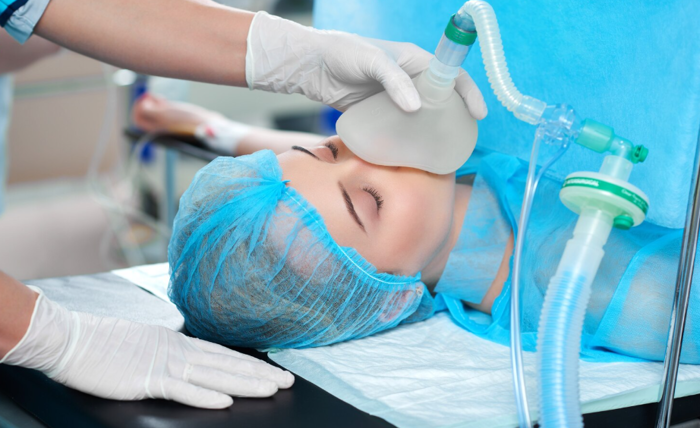
Modern surgery has advanced tremendously, allowing doctors to perform complex procedures with high precision and improved outcomes. One of the most critical elements behind these advancements is anaesthesia. Without it, many surgical procedures would be painful, unsafe, or impossible.
Anaesthesia plays a vital role in ensuring patient comfort, safety, and surgical success, making it an essential component of modern healthcare. This article explores what anaesthesia is, how it works, its different types, and why it is so important before, during, and after surgery.
What Is Anaesthesia?
Anaesthesia is a medical practice used to prevent pain and discomfort during surgical or diagnostic procedures. It works by blocking pain signals to the brain or by inducing a controlled state of unconsciousness. The use of ‘surgery anaesthesia’ allows surgeons to perform procedures safely while keeping patients comfortable and stable throughout the operation.
Administering anaesthesia is a highly specialised task carried out by trained anaesthesiologists or nurse anaesthetists. These professionals carefully assess the patient’s medical history, current health condition, and the type of procedure to determine the safest approach.
Types of Anaesthesia Used in Surgery
There are several types of anaesthesia, each chosen based on the nature of the surgery and the patient’s needs.
-
General Anaesthesia
General anaesthesia renders the patient completely unconscious. It is commonly used for major surgeries such as abdominal, orthopaedic, or cardiac procedures. Patients feel no pain and have no memory of the surgery.
-
Regional Anaesthesia
This type numbs a specific area of the body, such as the lower half or a limb. Examples include spinal and epidural anaesthesia. Patients may remain awake but do not feel pain in the targeted area.
-
Local Anaesthesia
Local anaesthesia numbs a small, specific area and is often used for minor procedures like stitches or small skin surgeries.
-
Sedation
Sedation helps patients relax and reduces anxiety. It is sometimes combined with local or regional anaesthesia and can range from mild drowsiness to deep sleep.
How Anaesthesia Contributes to Surgical Safety
Anaesthesia does much more than eliminate pain. It plays a crucial role in maintaining patient safety throughout the surgical process. These factors work together to reduce surgical risks and improve outcomes.
- Pain control: Prevents physical stress caused by pain, which can affect heart rate and blood pressure
- Muscle relaxation: Allows surgeons to operate with greater precision
- Controlled breathing: Supports lung function during procedures where patients cannot breathe on their own
- Monitoring vital signs: Anaesthesia teams continuously track heart rate, oxygen levels, and blood pressure
Pre-Surgical Evaluation and Preparation
Before surgery, the anaesthesia team conducts a thorough evaluation. This includes reviewing medical history, allergies, current medications, and previous reactions to anaesthesia. Diagnostic tests may also be ordered to assess heart and lung function.
Patients are often advised to avoid eating or drinking for a certain period before surgery. This step reduces the risk of complications such as aspiration during anaesthesia. Clear communication between the patient and healthcare team ensures the safest possible experience.
Role of Anaesthesia During Emergency Surgeries
In emergencies, anaesthesia becomes even more critical. Patients may arrive in pain, distress, or an unstable condition, requiring rapid decision-making and precise management. Emergency anaesthesia must be administered quickly while ensuring safety, even when full medical histories are not immediately available.
Hospitals equipped to handle urgent situations, such as an Emergency Hospital Dubai, rely on skilled anaesthesia teams who can respond efficiently under pressure. Their expertise helps stabilise patients, control pain, and support life-saving procedures when time is critical.
Post-Surgery Recovery and Pain Management
The role of anaesthesia continues even after surgery is completed. In the recovery room, anesthesiology professionals monitor patients as they wake up and ensure vital signs remain stable. Pain control plans are adjusted based on the patient’s comfort level and the type of surgery performed.
Effective post-operative pain management promotes faster recovery, reduces complications, and allows patients to resume normal activities sooner. It also helps prevent issues such as high blood pressure or breathing difficulties caused by unmanaged pain.
Conclusion
Anaesthesia is very important for a safe and successful surgery. It ensures pain control, supports vital body functions, and allows surgeons to perform procedures with precision and care. From planned operations to emergency interventions, anaesthesia professionals play a critical role at every stage of the surgical journey. With ongoing advancements and skilled medical teams, anaesthesia continues to make surgery safer, more comfortable, and more effective for patients around the world.